

Understanding the Origins of Casino Myths
The world of casino gambling is often shrouded in misconceptions and myths that have persisted over the years. Many of these myths stem from a lack of understanding of how casinos operate and the psychology behind gambling. For instance, a common belief is that certain games are “due” for a win after a streak of losses. This notion, often referred to as the gambler’s fallacy, incorrectly assumes that past events influence future outcomes in games governed by chance; however, many players today are exploring options like neosurf deposit casino to enhance their experience. In reality, each turn of a slot machine or shuffle of a deck is an independent event, unaffected by previous results.
A significant aspect of the gambling experience, especially in casinos, involves the ambiance and marketing strategies designed to entice players. Some may think casinos are designed to ensure players lose consistently, but this is not entirely accurate. Instead, casinos employ sophisticated algorithms and strategies to maximize their profits while still allowing players the chance to win. For example, the house edge in table games like blackjack or roulette ensures a long-term profit for the casino while also providing opportunities for players to win occasionally.
Moreover, myths can exacerbate the stigma associated with gambling, portraying it as an activity solely for the reckless or irresponsible. This perspective overlooks the many individuals who engage with gambling responsibly, treating it as a form of entertainment. By understanding the origins of these myths and the truth behind them, players can approach casino gambling with a more informed and responsible mindset. This knowledge is crucial for creating a balanced view of the gambling experience, allowing for enjoyment without falling prey to harmful misconceptions.
The Reality of Odds and House Edge
One of the most pervasive myths in casino gambling is the misunderstanding of odds and the concept of the house edge. Many players believe that they can outsmart the casino through strategies that claim to beat the odds. However, the truth is that every game in a casino has a built-in house edge, which is a mathematical advantage that ensures the casino remains profitable over time. For instance, in games like slot machines, the odds of hitting a jackpot are often extremely low, which is why they can offer such large payouts; the chance of winning is balanced by a much greater chance of losing.
Furthermore, it’s crucial to recognize that the house edge varies across different games. While games like poker may have a more favorable edge for players due to the skill involved, games such as slots and keno are purely based on luck. Many new players might not realize that they are more likely to win in games like blackjack if they learn and apply effective strategies. Educating oneself about the odds and expected return on investment can significantly alter the gambling experience, allowing players to make smarter choices that align with their understanding of odds.

Additionally, the myth that one can “beat the system” often leads to frustration and loss. Understanding that casinos operate on mathematics allows players to make informed decisions. For example, players should be aware of payout percentages and choose games wisely based on their individual skill levels and risk tolerance. By demystifying the odds and the house edge, gamblers can enjoy their experience without the misguided belief that luck alone will dictate their outcomes. This clarity encourages responsible gambling and helps to foster a healthy relationship with the games.
The Role of Skill in Gambling
Another common misconception is that all forms of gambling are purely based on luck, dismissing the importance of skill, especially in games like poker, blackjack, and sports betting. While it is true that many casino games are luck-based, certain games provide more opportunities for players to exercise skill and strategy. For example, skilled poker players can calculate probabilities and read their opponents, thereby increasing their chances of winning. This myth undermines the dedication and practice that serious players invest in mastering their skills, which is crucial for success in these games.
Moreover, even in games that appear to be based purely on chance, such as blackjack, having a sound understanding of strategy can significantly influence the outcome. Learning the correct way to hit, stand, or double down can reduce the house edge substantially. Many casinos even offer resources, workshops, or tutorials to help newcomers grasp the essential skills. By fostering a deeper understanding of the games, players can appreciate the balance between luck and skill involved in their gambling experience, leading to more rewarding sessions.
It’s also important to highlight that responsible gambling includes acknowledging one’s skill level and understanding when it might be beneficial to step away from a game. Those who approach gambling with both an appreciation of the luck factor and a desire to improve their skills often find more enjoyment and less frustration in their gambling endeavors. Thus, recognizing the role of skill can lead to a healthier and more rewarding gambling experience, transforming gaming from mere chance into an engaging challenge.
The Social Aspects of Gambling
The social environment surrounding casinos often breeds misconceptions about the types of people who gamble and their motivations. Many people believe that gamblers are primarily driven by a desire for money or are trying to escape from their problems. While financial gain is certainly a motivating factor for some, many players view gambling as a form of entertainment, akin to going to the movies or attending a concert. The communal aspects of gaming, such as camaraderie and friendly competition, can enhance the experience, making it more about social interaction than purely financial gain.
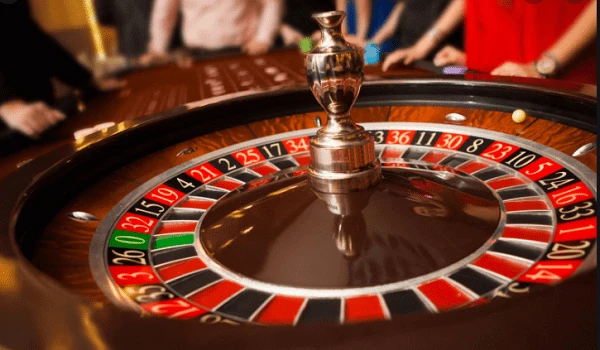
Additionally, the myth that gambling leads to addiction overlooks the responsible practices adopted by many players. There are countless individuals who enjoy gambling without experiencing negative consequences. Understanding that gambling can be a social activity helps to shift the narrative from one of stigma to one of community and enjoyment. Many casinos provide safe environments for social encounters, where players can engage with others who share their interests. This communal atmosphere can be an enriching part of the gambling experience.
Moreover, casinos themselves promote responsible gambling initiatives, such as self-exclusion programs and awareness campaigns. These efforts aim to foster a healthy gaming environment where individuals can enjoy their time without falling prey to the potentially harmful myths that surround gambling. By recognizing the social dimensions of casino gambling, we can move towards a more balanced perception of the activity as a whole, ultimately emphasizing the fun and social engagement that can accompany responsible gaming.
The Value of Information and Awareness
Access to accurate information regarding casino gambling can greatly dispel many of the myths associated with it. As players become more aware of the realities of gambling—such as the importance of responsible gaming, understanding odds, and knowing when to play skillfully—myths will gradually diminish. Online platforms and resources dedicated to educating gamblers on various topics, from game strategies to financial management, play a crucial role in fostering a knowledgeable player base. This wealth of information empowers players to engage more thoughtfully with their gambling practices.
Furthermore, educational sites can provide insights into the evolving landscape of gambling, particularly with the rise of online casinos and mobile gaming. These innovations have transformed how people engage with games, allowing for greater flexibility and accessibility. However, this shift has also led to new myths, such as the belief that online gambling is inherently less secure than traditional casinos. Providing clear and accurate information can help demystify these platforms and promote safer gambling practices, ensuring players can enjoy their experience with peace of mind.
Ultimately, the more information players have at their disposal, the better equipped they are to engage with casino gambling responsibly. Educational resources that promote awareness and understanding will empower players to make informed decisions, ultimately benefiting their gambling experience. As the industry continues to evolve, the commitment to providing accurate and up-to-date information will remain pivotal in dispelling myths and fostering a healthier gaming environment. This proactive approach encourages a more informed public and supports a culture of responsible gaming.
